
Blog

Positive Self Talk
According to growkidsminds.com, we talk to ourselves more than all other conversations combined. Self-talk makes up 80% of all of our communication! Self-talk is your internal dialog. It can be both negative and positive. What you say to yourself and how you say it matters. It influences how you feel and what you do. Positive self-talk is often a coping strategy we teach children (and adults) in therapy to decrease anxiety and depression and improve overall mood.

Assembling Your Coping Toolkit
A coping toolkit is exactly what it sounds like. It’s a collection of the coping skills, people, places, things, and ideas that help you to cope when symptoms of mental illness become overwhelming. Your tool kit is unique to you, and can be physical, mental, or some combination of the two. It depends on what works best for you. It can include ideas of where to go and what to do when you are experiencing overwhelming or distressing symptoms, it can include things like medication, it can even include a safety plan, if you ever experience self-harming behaviors or suicidal ideation or attempts.

The Dangers of Toxic Positivity
Often, toxic positivity creates a feeling of guilt for experiencing negative emotions at all. It can be trivializing to others’ experiences. If you are having a rough day, sometimes relying on positive vibes are enough to make you feel better. However-with depression, anxiety, and other mental illnesses-thinking positively does not make the symptoms go away. What this attitude does, instead, is imply that mental illness is simply a mindset that someone can get over.

Savoring: A New Mindfulness Method
What if we could find a way to be fully present (mindful) and it feels as though we are getting to do something? Guess what? You can! You can do this by intentionally looking for moments to savor throughout the day. Savoring is when we attempt to fully feel, enjoy and extend a positive experience. Savoring has been shown to have many of the same benefits of mindfulness including improving mood, leading to greater life satisfaction and increasing feelings of gratitude and appreciation.

Be Informed in a Healthy Way
Everyone likes to be informed. It keeps us aware of what’s happening in the world and lets us discuss current issues with others. However, just as the old proverb assures us, sometimes having no news is good for us. But we have to work at it in an age where we are bombarded with real-time updates from around the world.

Empty Nesting
Empty nesting can be scary, and many parents experience symptoms concurrent with grief. Like any period of change, time needs to pass to adjust to your new lifestyle. Your relationship with your child has changed, you may have a changing relationship with your partner, and your relationship to your own life may be changing as well. Feelings of sadness, worrying, and anxiety are completely normal and expected during this time.
So what can you do to help yourself?

How to Stop Overthinking: Tools to Quiet Your Inner Critic
Do you ever feel like your mind won’t stop talking? Maybe you lie in bed at night thinking about something you said, something you did, or something that might happen tomorrow. That is called “overthinking”, and it can make you feel very tired, sad, or even scared.
You’re not alone. Lots of people overthink. The good news is, you can learn to quiet your thoughts and feel more calm. Let’s talk about what overthinking is, why it happens, and some simple ways to help your brain slow down.

Let’s Talk About Apps
It is nearly impossible to stay current on all the apps that are presently available, let alone keep up on what is trendy, but “being in the know” is one way to protect your children online. As we continue our social media blog series, let’s tackle getting familiar with the apps and platforms teens and children are using.

Sleep and Mental Health
When we don’t have the energy to get out of bed, we may feel lonelier and more isolated. Stress can also exacerbate these problems. What is truly amazing is that, although rest is so crucial, is that humans often struggle with it so greatly. So what do we do when sleep alludes us? As most of us know, sometimes you just can’t fall asleep.
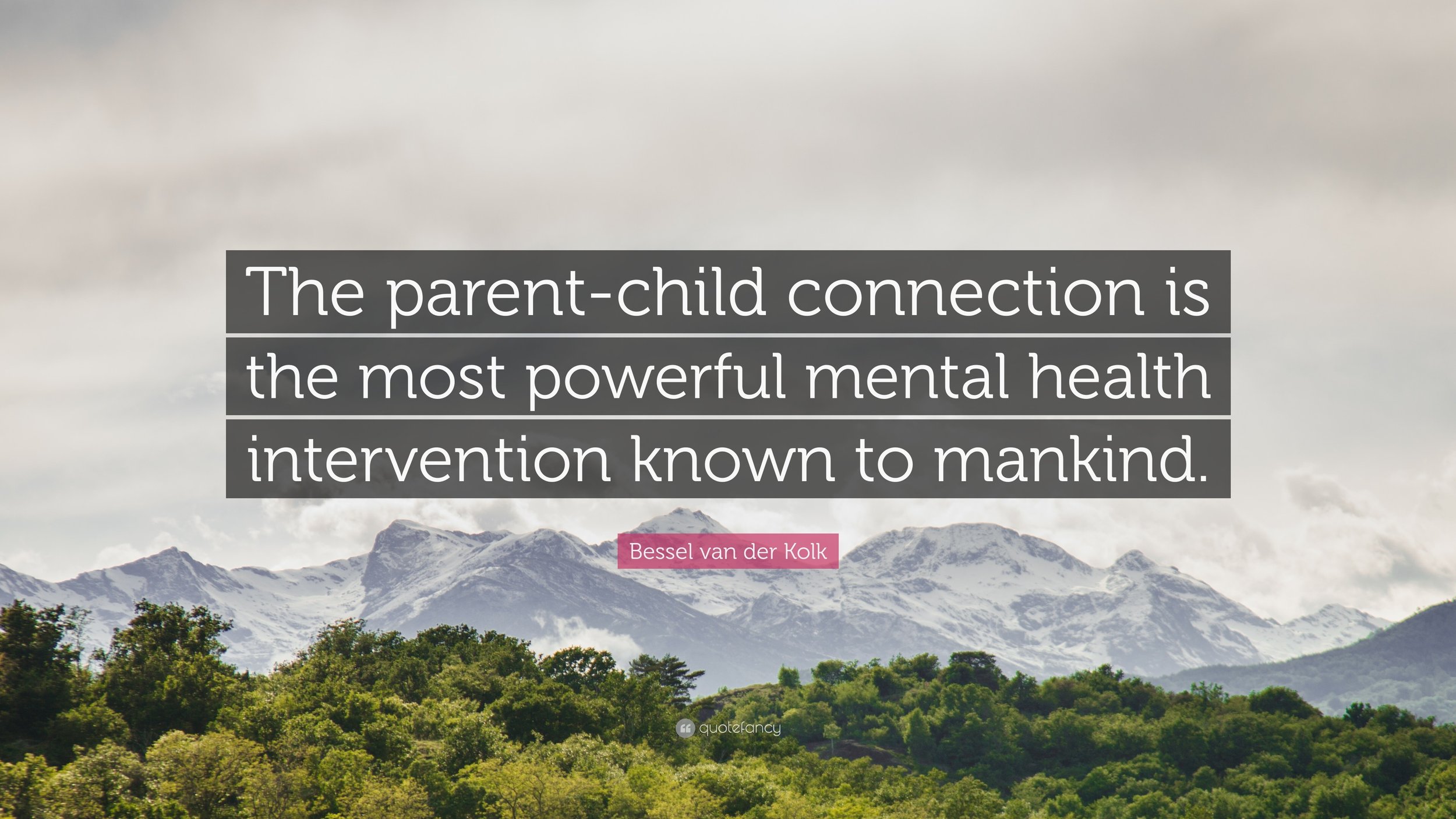
Child-Led Play at Home: Strengthening Parent-Child Bonds and Boosting Emotional Regulation
If your child has been facing challenges like outbursts, difficulty managing emotions, or behavioral concerns, it’s natural to want them to develop coping skills through therapy. As a parent, you might wonder: Why are they just playing in therapy? It might seem like they're just having fun, but in reality, play therapy is far more than that. It’s a powerful way for children to learn important skills that help them better regulate their emotions and build resilience. And guess what? You can bring this type of play into your home for even more positive impact.